
What Is Reverse Shoulder Replacement Surgery?
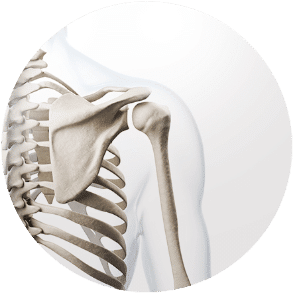
A standard shoulder joint functions as a ball and socket joint, with the ball on the upper arm bone and the socket on the shoulder blade. In a reverse shoulder replacement, artificial components are used to switch these positions. The metal ball is attached to the shoulder blade side, and a plastic socket is secured to the arm bone, specifically the humerus bone.
This design allows the deltoid muscle to take over the work that a damaged rotator cuff can no longer perform. When both the ball and the socket are replaced with artificial joint components and repositioned, patients often experience improved range of motion and meaningful relief from joint pain. The surgical procedure is performed under general anesthesia and typically takes a few hours.
Dr. Goldberg performs reverse shoulder replacement to treat conditions including rotator cuff tear arthropathy, severe shoulder arthritis, complex fractures, and cases where a prior shoulder replacement has failed. Each plan begins with a thorough evaluation of your shoulder joint, imaging, and a detailed discussion of your goals.
Rotator Cuff Tear Arthropathy and Other Qualifying Conditions
Rotator cuff arthropathy develops when a large, irreparable rotator cuff tear leads to joint degeneration over time. When the rotator cuff can no longer stabilize the humeral head within the socket, the resulting shoulder arthritis can become debilitating. For patients in this category, a reverse shoulder replacement is often the most effective treatment option.
Other candidates may include those with severe shoulder arthritis unresponsive to conservative treatment, failed prior joint replacement surgery, or complex fractures involving the shoulder joint. Dr. Goldberg evaluates each patient individually; candidacy for this procedure is never assumed and always requires a thorough clinical assessment.
Ideal Candidates for Reverse Shoulder Replacement
You may be a candidate for reverse shoulder replacement if you experience:
- Chronic shoulder pain that limits everyday activities and overhead activities
- A confirmed rotator cuff tear that is not repairable
- Rotator cuff tear arthropathy or advanced shoulder arthritis
- Failure of nonsurgical options such as medications, cortisone injections, or physical therapy
- Joint pain that has not responded to other treatments
- A previous shoulder replacement with implant loosening or failure
Ideal candidates are in good enough overall health to undergo surgery and are committed to postoperative physical therapy for rehabilitation. Dr. Goldberg and his team will assess your shoulder mobility, imaging results, and medical history before recommending this or any joint replacement surgery.
Ready to take the next step? Call (239) 316-7600 or contact our office to schedule your consultation.
What to Expect: From Consultation Through Recovery
Your journey begins with a comprehensive consultation. Dr. Goldberg reviews your history, performs a physical examination, and orders imaging to fully assess the shoulder joint. If reverse shoulder replacement is recommended, the care team will walk you through each step before your surgical date.
The procedure is performed under general anesthesia. Dr. Goldberg makes a carefully placed incision to access the shoulder joint, removes damaged parts, and secures the artificial components in their reversed positions. Most patients stay in the hospital for one to two nights following surgery.
Recovery typically involves a period of immobilization followed by a structured physical therapy program. Most patients begin to relieve pain and notice improved shoulder mobility within the first few months, though full recovery can take up to a year. Individual recovery varies, and Dr. Goldberg’s team, including Amy White, PA-C, who brings over 18 years of orthopedic experience, supports you throughout the process.
As with any surgical procedure, risks include infection, blood clots, nerve injury, and implant loosening. Your surgeon will discuss all potential risks and benefits during your consultation so you can make a fully informed decision.
Why Choose Dr. Steven S. Goldberg, M.D. for Shoulder Surgery Near Pelican Bay
Patients throughout Pelican Bay, Park Shore, Vanderbilt Beach, North Naples, and Bonita Springs choose Dr. Goldberg for shoulder replacement surgery because of his unmatched regional experience and nationally recognized credentials. He performs the highest volume of shoulder replacements in both Collier and Lee Counties, a distinction that reflects both patient trust and surgical expertise.
Dr. Goldberg is board-certified in Orthopedic Surgery with a Subspecialty Certification in Orthopedic Sports Medicine, and he completed his fellowship training at Columbia University Medical Center. He has been named one of Newsweek’s Top 200 Shoulder Specialists in the United States and is the only orthopedic surgeon in Collier County to hold that distinction. He has also been recognized as a Castle Connolly Top Doctor every year since 2010.
Beyond his clinical work, Dr. Goldberg is the founder of Catalyst OrthoScience and personally designed the Catalyst CSR Total Shoulder System, a shoulder replacement implant used in over 5,000 procedures and supported by more than eight peer-reviewed publications. He holds 15 U.S. patents in shoulder arthroplasty design. When you choose Dr. Goldberg, you are choosing a surgeon who has literally helped shape the future of shoulder replacement.
His practice is also a member of the American Shoulder and Elbow Surgeons (ASES), the American Academy of Orthopaedic Surgeons (AAOS), and the Florida Orthopaedic Society, affiliations that reflect a sustained commitment to the highest standards in orthopedic care.
Frequently Asked Questions About Reverse Shoulder Replacement
Have more questions? Call (239) 316-7600 or reach out online. We are happy to help.
What is a reverse shoulder replacement?
A reverse shoulder replacement is a type of joint replacement surgery that switches the positions of the ball and socket. The metal ball is placed on the shoulder blade side, and the plastic socket is attached to the upper arm bone. This design allows the deltoid muscle to power shoulder movement when the rotator cuff is no longer functional.
Who is a candidate for reverse shoulder replacement in Pelican Bay, FL?
Candidates typically have severe rotator cuff tear arthropathy, advanced shoulder arthritis, a failed prior shoulder replacement, or complex fractures. If you have chronic shoulder pain that has not responded to conservative treatment or nonsurgical options, a consultation with an orthopedic surgeon can help determine whether this procedure is appropriate for you.
How is reverse shoulder replacement different from total shoulder replacement?
In a total shoulder replacement surgery, the humeral head replaces only the ball, and a socket component replaces the natural socket, mimicking the natural anatomy. In a reverse shoulder replacement, these positions are switched. This reversed design is specifically beneficial when the rotator cuff is severely damaged and cannot stabilize the joint.
How long does recovery take after reverse shoulder replacement surgery?
Recovery varies by individual, but most patients begin physical therapy within a few weeks of surgery. Meaningful improvement in shoulder mobility and pain relief is often noticed within the first three to six months. Full recovery, including return to overhead activities, may take up to 12 months. Individual results may vary.
What are the risks of reverse shoulder replacement?
As with any surgical procedure, risks include infection, blood clots, nerve or blood vessel injury, implant loosening, and stiffness. Dr. Goldberg will review all potential risks with you during your consultation and work to minimize them through careful surgical planning and experienced technique.
How long does a reverse shoulder replacement last?
Studies suggest that reverse shoulder replacements can provide relief from pain and improved function for many years. Longevity depends on factors including patient activity level, bone quality, and implant positioning. Dr. Goldberg discusses long-term expectations with each patient based on their specific diagnosis and health profile.
Do I need physical therapy after shoulder replacement surgery?
Yes, physical therapy is a critical component of recovery after reverse shoulder replacement. A structured rehabilitation program helps restore shoulder mobility, build strength in the surrounding shoulder muscles, and support a safe return to everyday activities. Your care team will guide you through each phase of rehabilitation.
Is reverse shoulder replacement performed under general anesthesia?
Yes, this shoulder surgery is typically performed under general anesthesia, though regional nerve blocks may also be used to help manage comfort. Your anesthesia team will review all options with you before the procedure based on your health history and preferences.
Can reverse shoulder replacement relieve pain from severe shoulder arthritis?
For patients with severe shoulder arthritis combined with irreparable rotator cuff damage, reverse shoulder replacement is often one of the most effective options to relieve pain and improve function. Results vary by individual, and candidacy is determined through a thorough evaluation with your orthopedic surgeon.
Schedule Your Reverse Shoulder Replacement Consultation in Pelican Bay, FL
If shoulder pain is keeping you from the life you want, Dr. Steven S. Goldberg, M.D. is ready to help. As the highest-volume shoulder replacement surgeon in Collier and Lee Counties and one of Newsweek’s Top 200 Shoulder Specialists in the U.S., Dr. Goldberg brings exceptional expertise to every patient consultation. Serving Pelican Bay, North Naples, Park Shore, Vanderbilt Beach, and surrounding Southwest Florida communities, our practice is committed to delivering personalized, evidence-based orthopedic care. Call (239) 316-7600 today or contact us online to schedule your consultation and take the first step toward lasting shoulder relief.